School management platform
A challenge born from my undergraduate thesis (TCC), explored with two classmates between 2024 and 2026 — now a case study, not a maintained product.
- My role
- Co-founder & Front-end Developer
- Context
- Own project
- Category
- SaaS Product
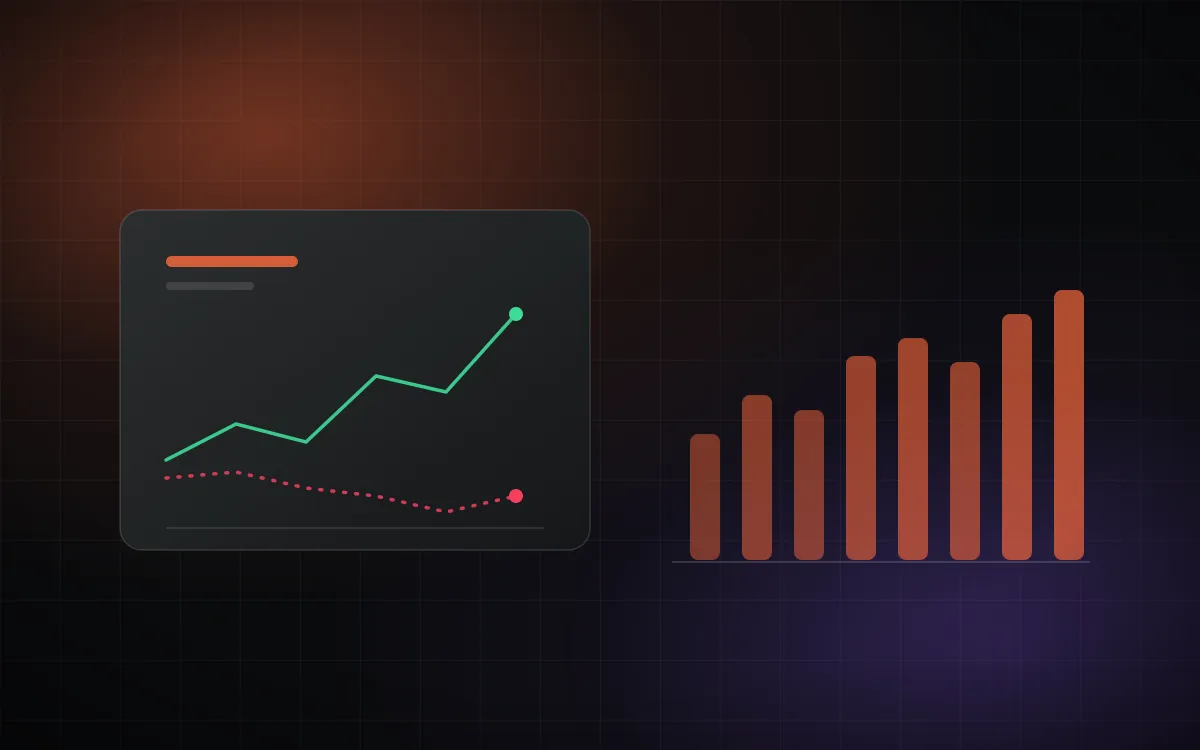
An idea born during my undergraduate thesis (TCC), developed between 2024 and February 2026 together with two classmates. Focused on giving schools a clear read on each student's performance over time, instead of isolated bimonthly report cards. Project closed — now a challenge I faced, not a maintained product.
Results
- Closed
- status Developed between January 2024 and February 2026
- 3
- founding partners Small team, with front-end technical ownership on my side
The problem
Schools accumulate a huge amount of assessment data and manage to get very little out of it. Grades stay trapped in spreadsheets and report cards, historical records aren't comparable across periods, and a student's declining performance is usually noticed too late to be turned around within the same school year.
The solution
A platform that centralizes academic records and turns that data into continuous tracking: progress by student, by class and by subject, with early flags for downward trends. I own the front-end and the product's interface architecture decisions.
Key challenges
-
Presenting dense performance data in a way teachers and coordinators can read in seconds, with no prior training required.
-
Building a scalable foundation from day one as a small team, without falling into over-engineering that stalls product validation.
-
Balancing development with a full-time job, which demands disciplined scope and technical decisions that don't require constant upkeep.
Technologies used
- React
- TypeScript
- Tailwind CSS
- HeroUI
- TanStack Query
- Cypress
- Figma
- GitHub
Status
Project closed in February 2026. The idea started in my undergraduate thesis (TCC), was explored with two classmates for about two years, and didn’t move forward as a maintained product — it stays here as an architecture and product-decision case study.
Why I built this
It was the kind of problem that interested me: data that already exists, poorly used, with a direct impact on the people who depend on it. It was also a chance to exercise product and architecture decisions end to end, not just the interface layer — even without the project becoming a market product.
Related projects
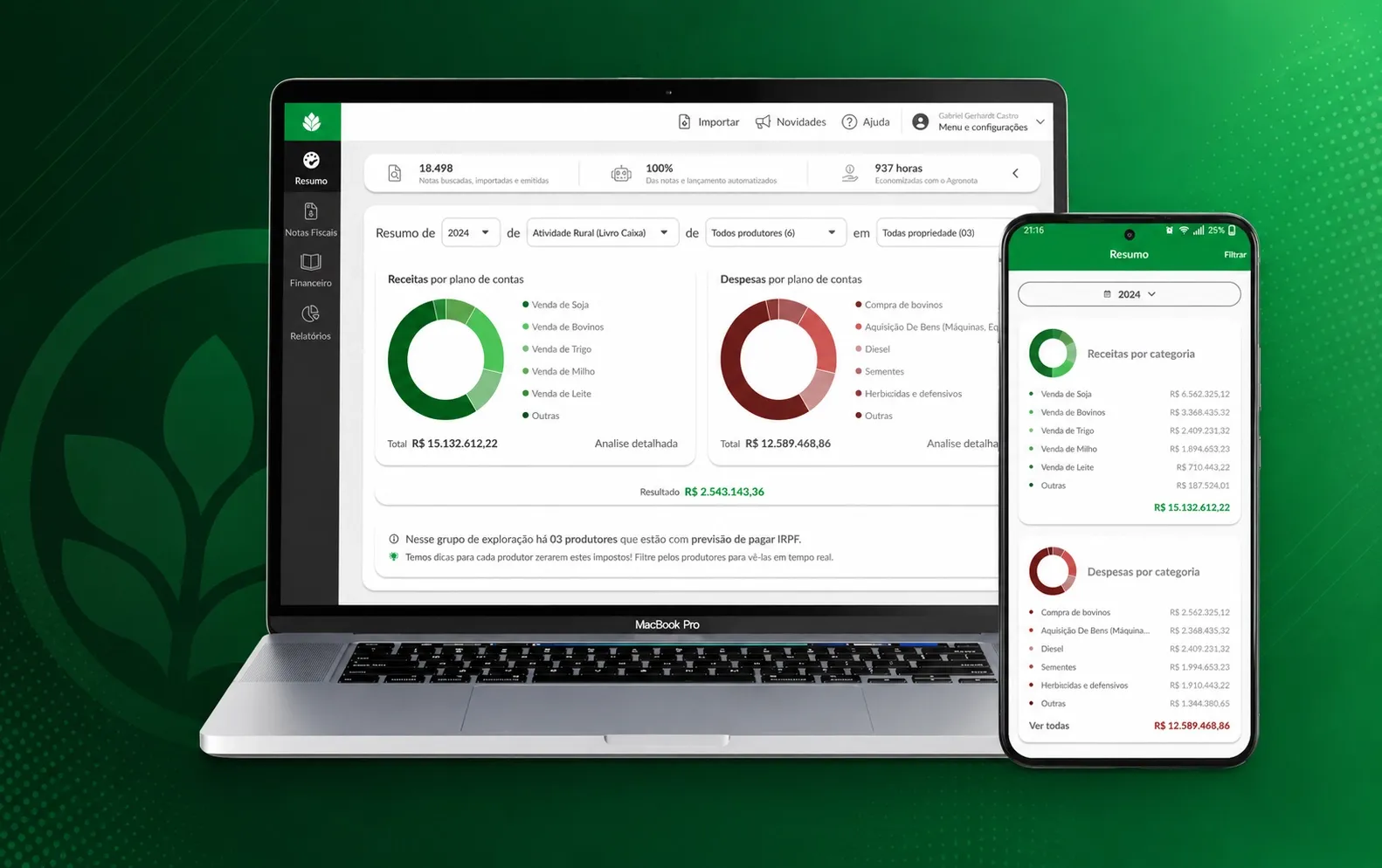
AgroNota
Tax and financial platform that turned rural producers' accounting close into a matter of minutes.
7,100+ active customers
- React
- TypeScript
- Next.js
- Vite
- Zustand
- +9
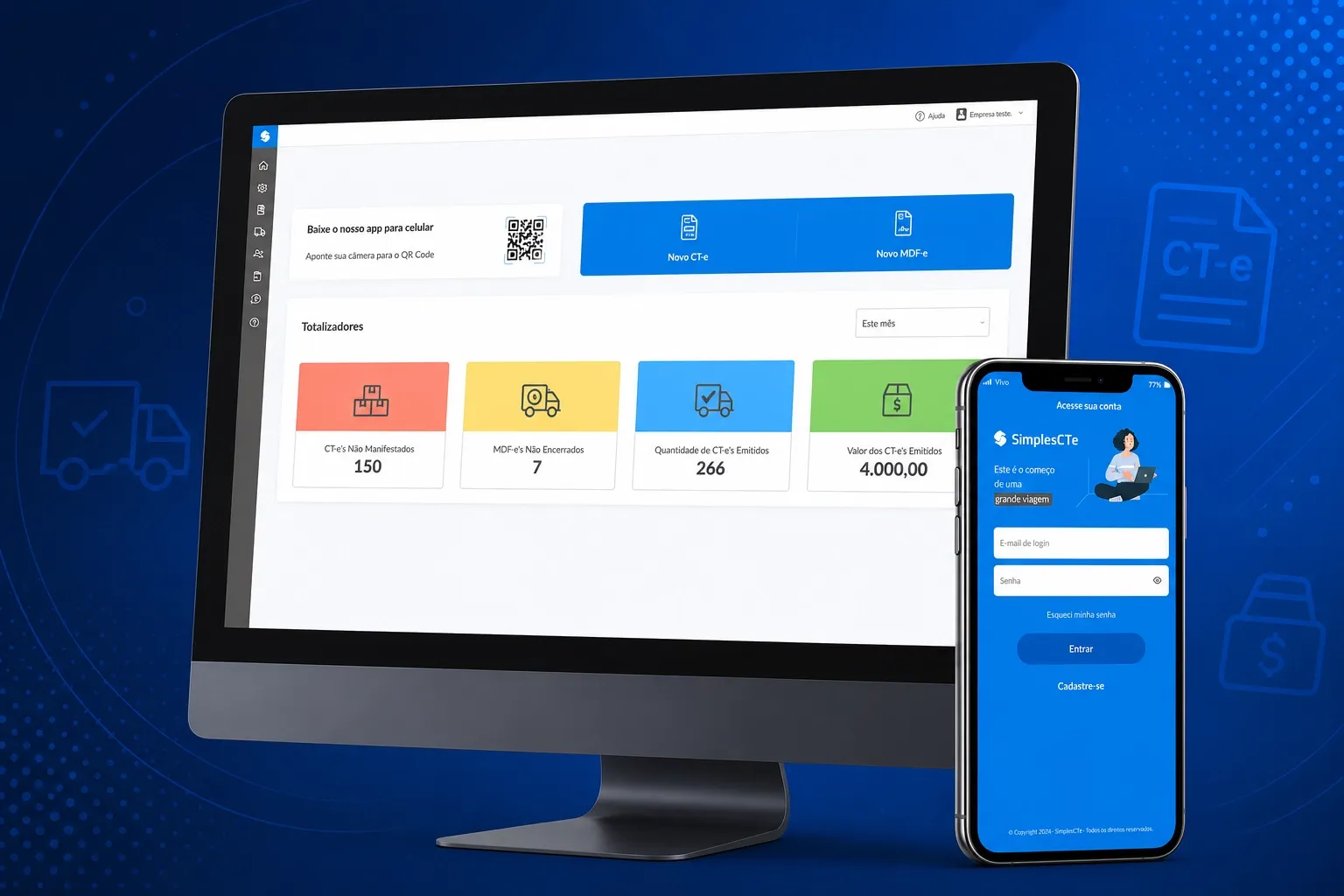
SimplesCTe
Freight tax document issuance in seconds for carriers and independent truckers.
15,000+ active customers
- React
- TypeScript
- Next.js
- Vite
- Zustand
- +8